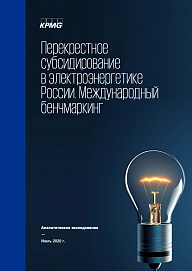
KPMG experts have prepared a report that presents the results of the research based on the analysis of public statistical information. Development of methodology for monitoring the volume and structure of «Surcharges and fees» in the cost of electricity and capacity of the Wholesale Electricity and Power Market and Network Tariffs will lead to disclosure of information by the market and in the accounts. The introduction of a procedure to assess the impact of existing and initiated cross-subsidization programs on the Energy Poverty Index by region and the Expert Competitiveness Index are rapidly forming an assessment of possible regulatory solutions. A comprehensive change in priorities of use and methods of cross-subsidization administration will lead to the development of the «Regulatory Maneuver» scenario.
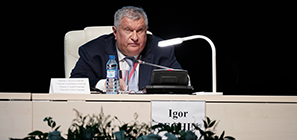
Roscongress Foundation analysts highlighted the main theses of this research, accompanying each of them with suitable fragments of video broadcasts of panel discussions held as part of business programs of the key events hosted by the Foundation.
Cross-subsidization is a formalized instrument of energy and climate policy, as well as direct tariff support for energy-intensive exporters in the EU and USA markets. However, it remains a «gray area» for the Russian market regulation.
The experience of the EU countries and the USA has shown that cross-subsidization (CS) administratively set markups and discounts in prices of consumers and suppliers is an essential tool for achieving both sustainable development goals in the socio-economic sphere, as well as the climate agenda and decarbonization goals. The use of CS is due to the presence of the «market failure» effect an inability of liberalized energy market to provide correct price signals for solving a number of sustainable development problems only through mechanisms of supply and demand balance. Germany is the leader in terms of CS, while the French and UK markets have a similar but smaller CS structure.
Video: https://roscongress.org/sessions/rew-2019-chto-takoe-energetika-budushchego/search/#00:24:32.256
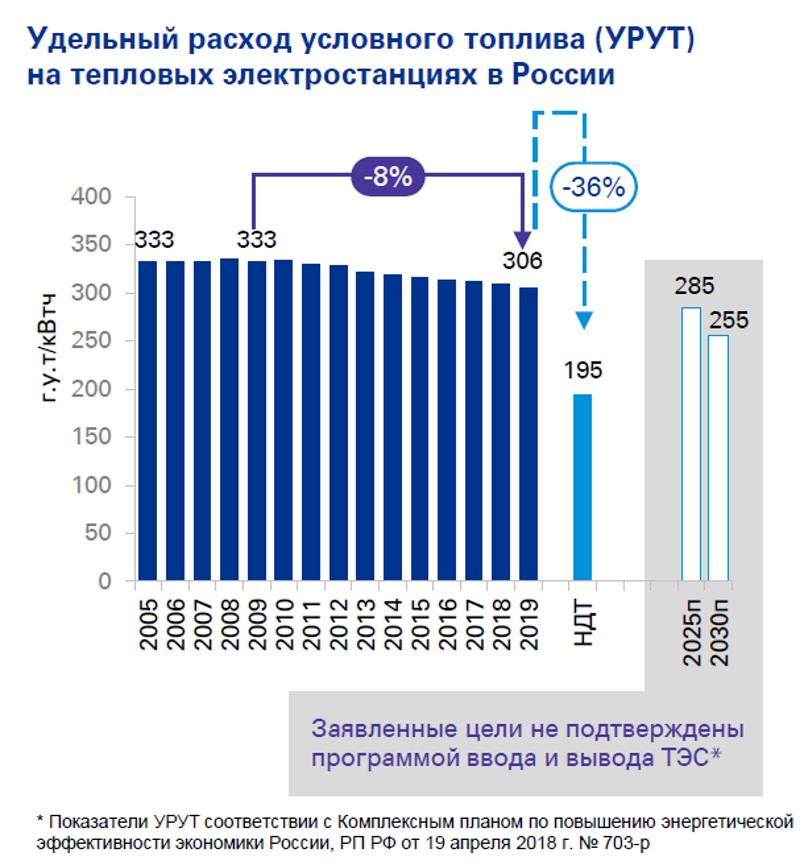
The technological gap of the Russian economy continues to grow, so it is necessary to reconfigure the CS, which may create a mechanism for «leap forwards» and force the market funds work.
Accelerated and uneven growth of load by consumer groups provoked aggravation of historical problems and new negative consequences in the section, including the emergence of «negative CS». The contribution of social tariffs and programs to increase balance sheet reliability is forecasted to grow against the background of the technological re-equipment share decrease. Guaranteed suppliers and independent energy sales companies act as agents for surcharges collection in final electricity prices. Thus, even in case of elimination of «CS in networks» the tariffs of population will remain below commercial ones. The analysis of the CS structure shows that significant distortions of tariff solutions in networks are the result of the share of premiums increase in the wholesale market price.
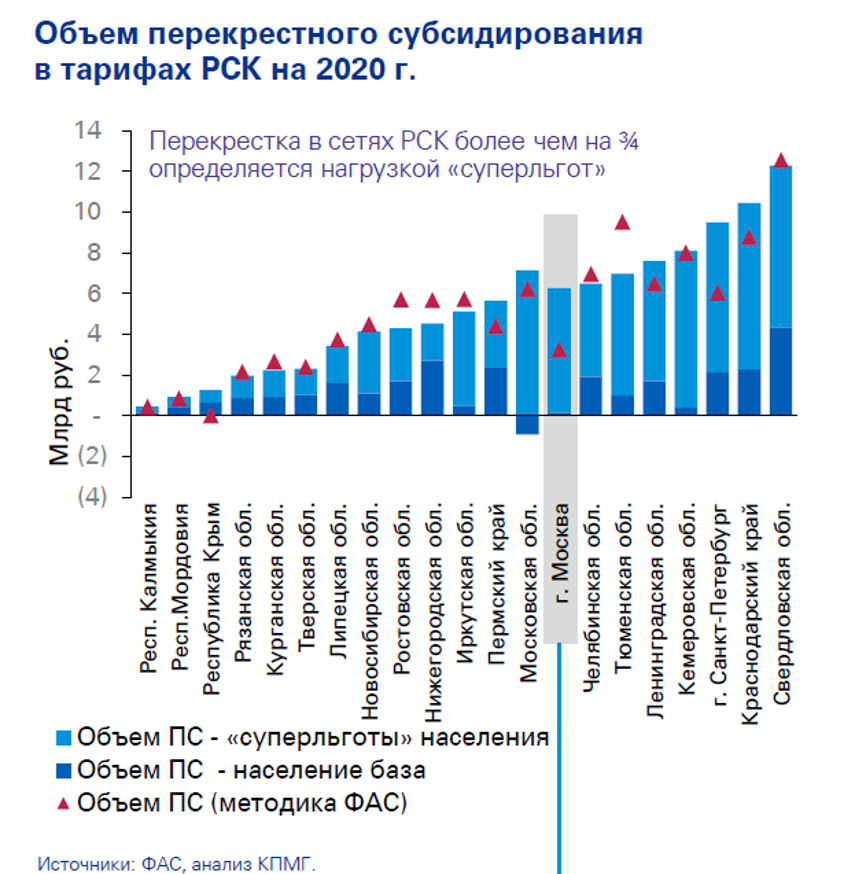
Russias Hydrocarbon Advantage Continues to Erode. Without a decarbonization process and change in the methods of CS administration, the investment potential of the Russian energy sector will be limited and the competitiveness of the economy will be reduced.
Interindustry balance calculations show that the key factor for inefficiency is the factor of technological gap in the energy sector, manufacturing industry, transport and housing-communal services. Consumers differ in the degree of «sensitivity» depending on the type of energy carrier. The main efficiency potential lies in the residential and commercial buildings sector. Tariff increase is an effective method of increasing the efficiency of private housing projects and commercial buildings, but in fact does not provide incentives for efficiency growth in energy-intensive industries, multi-unit apartment buildings, as well as among the poor. In this context, Caps «safety margin» in terms of tariff growth and subsidies to other consumers is very limited both globally and in Russia, and high tariffs are becoming a barrier to change. The low efficiency of gas generation at combined cycle gas turbines negates benefits of low domestic gas prices for the economy.
See other materials posted in special sections of the Roscongress Information and Analytical System, Energy, Development Institutions and Support Mechanisms and Housing and Utilities, dedicated to the development of the inter-industry energy complex, as well as the activities of development institutions as organizations that stimulate innovation and infrastructure development.