As part of the validation of the Methodology for assigning credit ratings to structured finance instruments and obligations ACRA retrospectively rerated 26 SME securitization transactions totaling around EUR 39 bln (RUB 2.9 trln) using its GRASP modelling platform (Global Rating Analyzer of Structured Products; the baseline platform of ACRAs finance modelling used for the rating assignment of structured finance instruments). According to ACRA, the final validation sample provides a statistical basis for GRASP modelling platform validation, continuous research and confirmation of ACRAs key modelling assumptions including the SME loan probability of default (PD).
Retrospective rating analysis and back testing shows that the levels of credit enhancement measured using ACRAs quantitative models provide protection sufficient to absorb actual observed losses for all rated tranches in all tested structured finance SME securitization transactions.
ACRAs modelling platform and analytical approach can be used to assign ratings to Russian and European issues of structured finance notes.
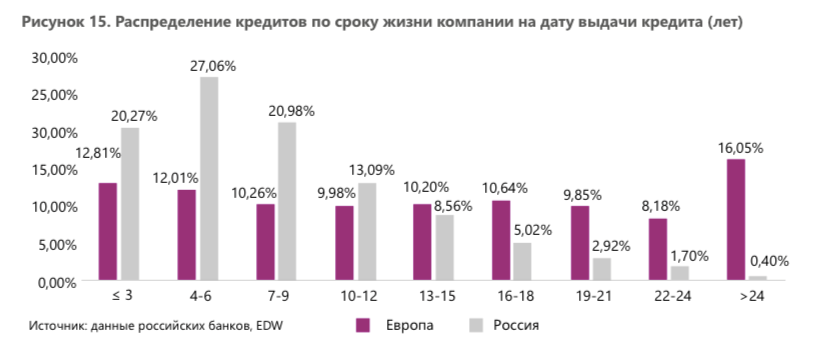
Analysis of the representative sample allowed ACRA to identify characteristics of SME loans, which are considered to be less risky. The model validation was preceded by a three-year effort in collecting and analyzing data from the Russian and European lending markets. ACRA was able to identify indicators of assets with higher credit quality by analyzing an extensive sample of historical data reflecting the quality of debt service for 1.2 million Russian and European SME loans with a total volume exceeding EUR 110 bln (RUB 8 trln).
European SME lending market statistics can and should be used to analyze Russian SME loan portfolios. A comparative analysis of historical data showed that the trends in the impact of the key loan characteristics on the level of delinquencies are fundamentally similar for the Russian and European markets (taking into account the existing country specifics).
Securitization instruments collateralized by SME loans significantly expand the volume of high-quality investments and ensure optimal use of public resources. The funds of institutional investors (including pension funds) can be channeled towards the real sector of the economy by investing in the senior (most protected) tranches of structured notes, thus ensuring the financing of the real sectors of the economy without additional subsidies from the state.
High credit quality structured notes backed by SME loans can be issued with state support or utilizing only the endogenous protection mechanism and therefore lead to significant savings of the budget and optimization of federal level support funds allocated for the development of the SME sector.
Using ACRAs methodology and modelling platform, banks will be able to issue Russian securities backed by SME loan portfolios that will match the credit quality of comparable European securities. A detailed risk profile analysis of borrowers with better characteristics and a selective approach will make it possible to reduce interest rates for such borrowers. Consequently, it will save budgetary funds in the amount of more than RUB 63 bln, forming a tool to support the most reliable and competitive SMEs.